
The Core Differences Between Metal and Nylon Zippers
What Are Metal Zippers and How Are They Constructed?
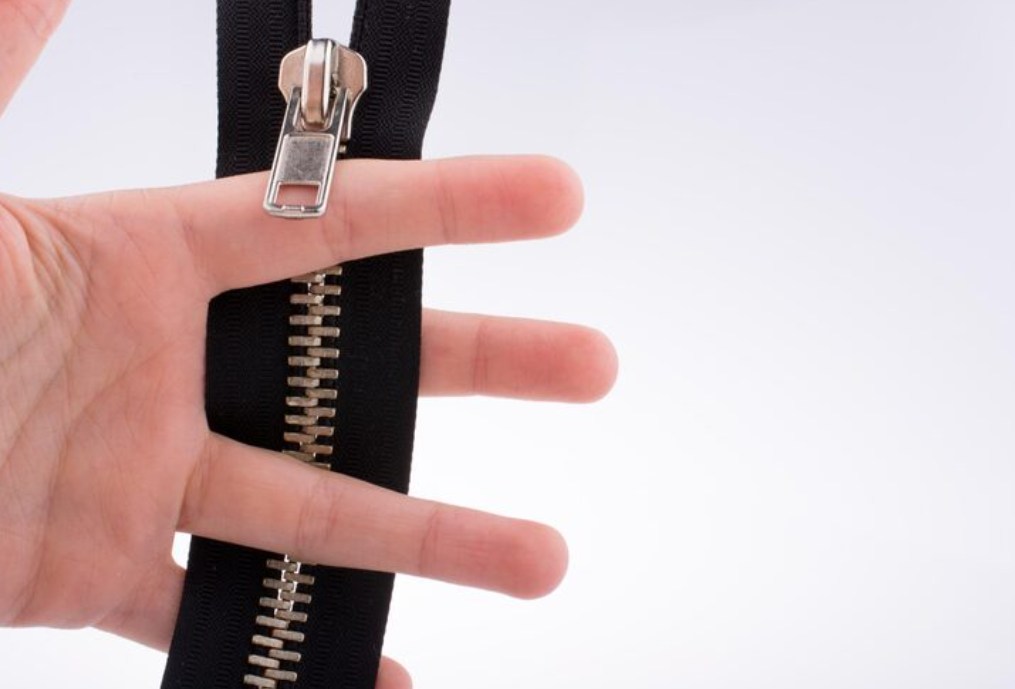
Metal zippers get built from distinct metal teeth—often brass, nickel-plated brass, or aluminum—squeezed or shaped onto a cloth band. Every tooth attaches singly. This results in a more rigid and sturdy setup. Metal zippers appear in sizes #3, #5, #8 and #10. Folks recognize them for their top-notch tug power and old-school plant vibe.
Metal zippers offer a classic, plant-like look. They give strong guard against rip and a fancy feel. This fits them for spots calling for tight shuts, such as in denims, skin jackets, shoes and job outfits.
What Are Nylon Zippers and Why Are They So Common?
Nylon (coil) zippers form by sewing a nonstop nylon strand into the band. This makes soft, pliable teeth usually in sizes #3, #5 and #8. The twisted form lets smooth action and fine bend around turns.
They see wide use in outfits, pouches, gym clothes, camps and other slim or supple goods due to their slight heft and rust shield. Nylon zippers are lightweight, dyeable to match your fabric and offer excellent flexibility and corrosion resistance.
Performance Characteristics: Which Zipper Suits Your Needs Better?
How Do Durability and Strength Compare Between the Two?
Metal teeth stand up to shear and yank better in spot strain cases. For hefty burdens, metal zippers work well. This sets them as prime for harsh jobs where force beats out flex.
But nylon coil zippers deal with constant curving way better. They take flex loops sans tooth bend. In ongoing-use spots like gym gear or packs, nylon zippers usually hold up longer minus snags like jam or tooth shift.
Which Zipper Type Offers Better Flexibility and Comfort?
Nylon zippers have more give. This suits them for stretch uses. Their coil plan slips over bends easily. That’s why they get picked in schemes with tender or flexible fabrics like frocks or tech kit.
Metal zippers, though less pliable, bring build strength and panache to clothes like skin jackets or denims. Metal zippers maintain shape. That can lend form.
How Do Weight and Bulk Influence Your Choice?
Metal zippers run heavier and stiffer. They supply a real feel that sways garment fall. The added bulk can lift the felt grade of posh trend items.
Nylon coil zippers tip scales 30–60% lighter than matching metal zippers in lots of standard sizes. This heft edge matters big for slim coats or journey kit where every speck counts.
Aesthetic Considerations in Choosing Between Metal and Nylon Zippers
What Visual Appeal Do Metal Zippers Provide?
Metal zippers frequently get picked for their eye-grab look. Metal zippers supply a bold, fancy view. Tooth bulk and sheen craft style tips. Covers like aged brass or buffed nickel work as trend bits in vogue stuff where the zipper aims to shine.
Can Nylon Zippers Be Stylish Too?
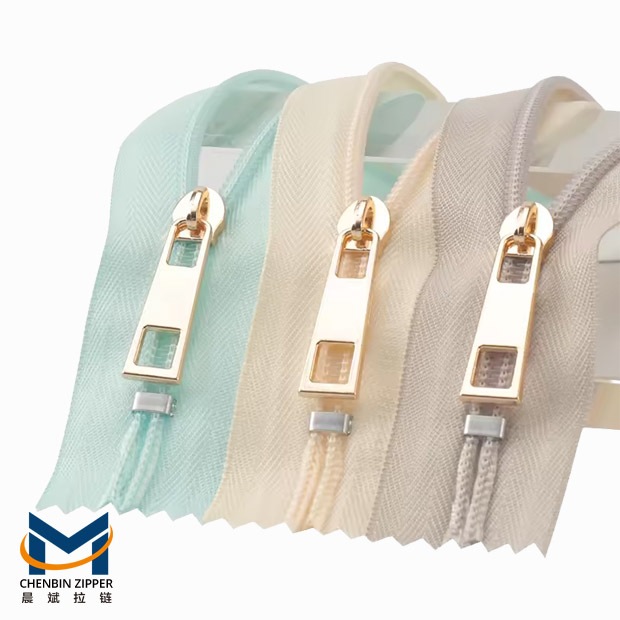
Absolutely. Different Colors Are Available For Your Projects when using nylon coil zipper options. In fact, we offer invisible nylon coil continuous zippers that blend seamlessly with upholstery fabrics for a neat finish—perfect for applications requiring a discreet closure like women’s dresses or pillowcases.
Nylon zippers also offer customization through tape dyeing, printed tapes and specialized sliders to match your fabric exactly.
Application-Based Guidance: Where Should Each Type Be Used?
When Should You Choose a Metal Zipper?
Ideal Uses for Metal Zippers:
You’ll find metal zippers on jeans (commonly #5), leather motorcycle jackets (#8–#10), heavy boots, canvas workwear where both strength and visual impact matter.
Metal zippers are also well-suited for shoes that require a rugged closure mechanism. Built for durability, #7 to #10 zippers are ideal for work boots, hiking boots and other heavy-duty footwear.
When Is a Nylon Zipper the Better Option?
Ideal Uses for Nylon Zippers:
Nylon coils are ideal for jackets, dresses, activewear, children’s clothing, backpacks and tents where weight and seam conformity matter.
Their rust resistance makes them perfect for luggage and outdoor gear exposed to moisture. They are lightweight, water-resistant and durable, making them ideal for backpacks, tents and other outdoor applications.
At CB Zipper, our #3 Invisible Nylon Coil Continuous Zippers are especially popular in upholstery due to their seamless integration and reliable closure across curved seams.
CB Zipper: A Trusted Source for Quality Zipper Solutions
Who Is CB Zipper and What Makes Their Products Stand Out?
We at CB Zipper take pride in leading as makers giving both metal zippers and nylon zipper fixes tuned to varied fields. Our steady make spots and strict grade checks make sure you get tough and nice-looking zippers, with a make power of 88 million meters of zipper link yearly.
We focus on tweaks—Every detail is customizable for each customer, from size and color to material (including nylon, metal, or plastic), tooth shape, features (like waterproofing or invisibility) and even brand LOGOs!
What Product Options Does CB Zipper Offer for Different Applications?
Key Product Categories from CB Zipper Include:
- Heavy duty metal zippers for outerwear and industrial use.
- Lightweight nylon coil zippers ideal for garments and bags.
- Waterproof zipper solutions suited for outdoor gear manufacturers.
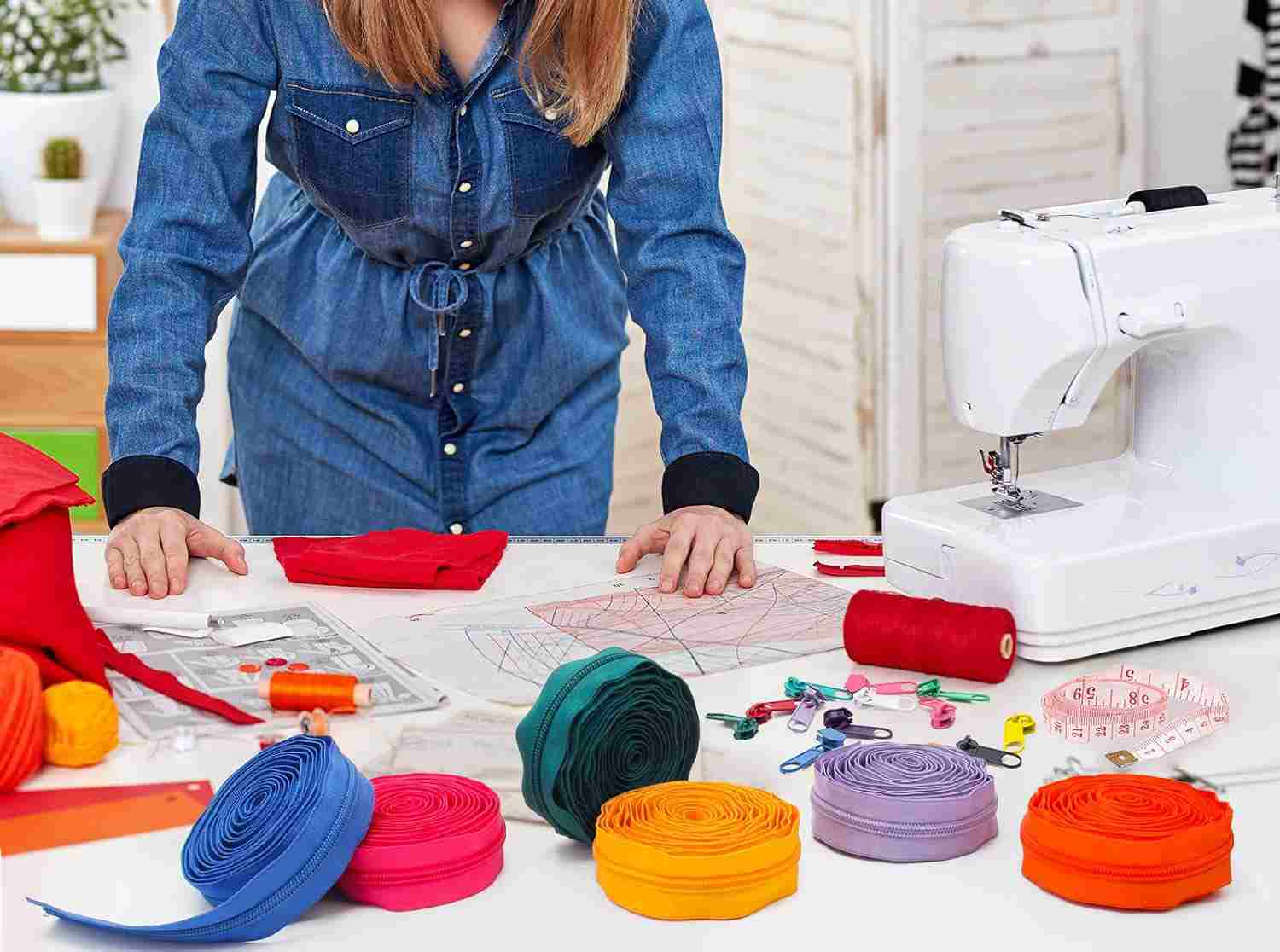
We offer both continuous zipper chains (long rolls) and cut-to-length styles to meet your specific production workflows. If you’re sourcing nylon coil zipper in bulk—our #3 Nylon Coil Zipper Long Chain By The Yard in Different Colors provides versatility across apparel, bedding, bags and more.
FAQ
Q: Are metal zippers stronger than nylon zippers?
A: Yes, metal zippers generally offer greater tensile strength but may be less flexible than nylon ones.
Q: Can I dye nylon zippers to match fabric colors?
A: Yes, nylon zippers can be custom-colored or dyed during manufacturing to match specific fabric shades.
Q: Do metal zippers rust over time?
A: Some metal zippers may corrode if exposed to moisture unless treated with anti-rust finishes.
Q: How to fix a nylon zipper that’s stuck or misaligned?
A: Use a graphite pencil on the teeth to reduce friction; if misaligned, unzip fully and realign both sides before carefully rezipping.
Q: How to replace a metal zipper slider without sewing?
A: Use pliers to remove the top stop, slide off the old slider, insert the new one in proper orientation, then clamp on a new top stop.
Q: Can I switch from a metal zipper to a nylon one on an existing garment?
A: Yes, but it may require resizing the zipper tape area or adjusting stitching lines due to differences in bulk and flexibility between types.



 English
  Spanish
  Portuguese
  French
  Russian